Rádiem: The Modern Communication Phenomenon
In an era dominated by instant messaging, social media, and constant connectivity, communication tools have evolved rapidly. Among these emerging technologies and platforms, rádiem has begun to carve out a distinct place in the landscape of modern communication. While the term may seem unfamiliar to some, rádiem represents a growing trend in how people exchange ideas, information, and even emotions in digital spaces. Unlike traditional media, which often emphasizes a one-way dissemination of information, rádiem focuses on interaction, responsiveness, and the immediacy of shared experiences. It has become particularly popular among communities that value real-time feedback, collaborative engagement, and innovative communication methods.
The essence of rádiem lies in its ability to combine multiple aspects of communication into a single, seamless experience. Whether used for professional collaboration, educational purposes, or social networking, rádiem allows users to engage dynamically with content and with one another. The platform—or concept, depending on its implementation—blurs the line between traditional broadcast methods and interactive dialogue. For researchers and enthusiasts in digital communication, understanding rádiem is crucial because it represents both a technological and sociocultural shift in how information flows in contemporary society.
The Origins of Rádiem
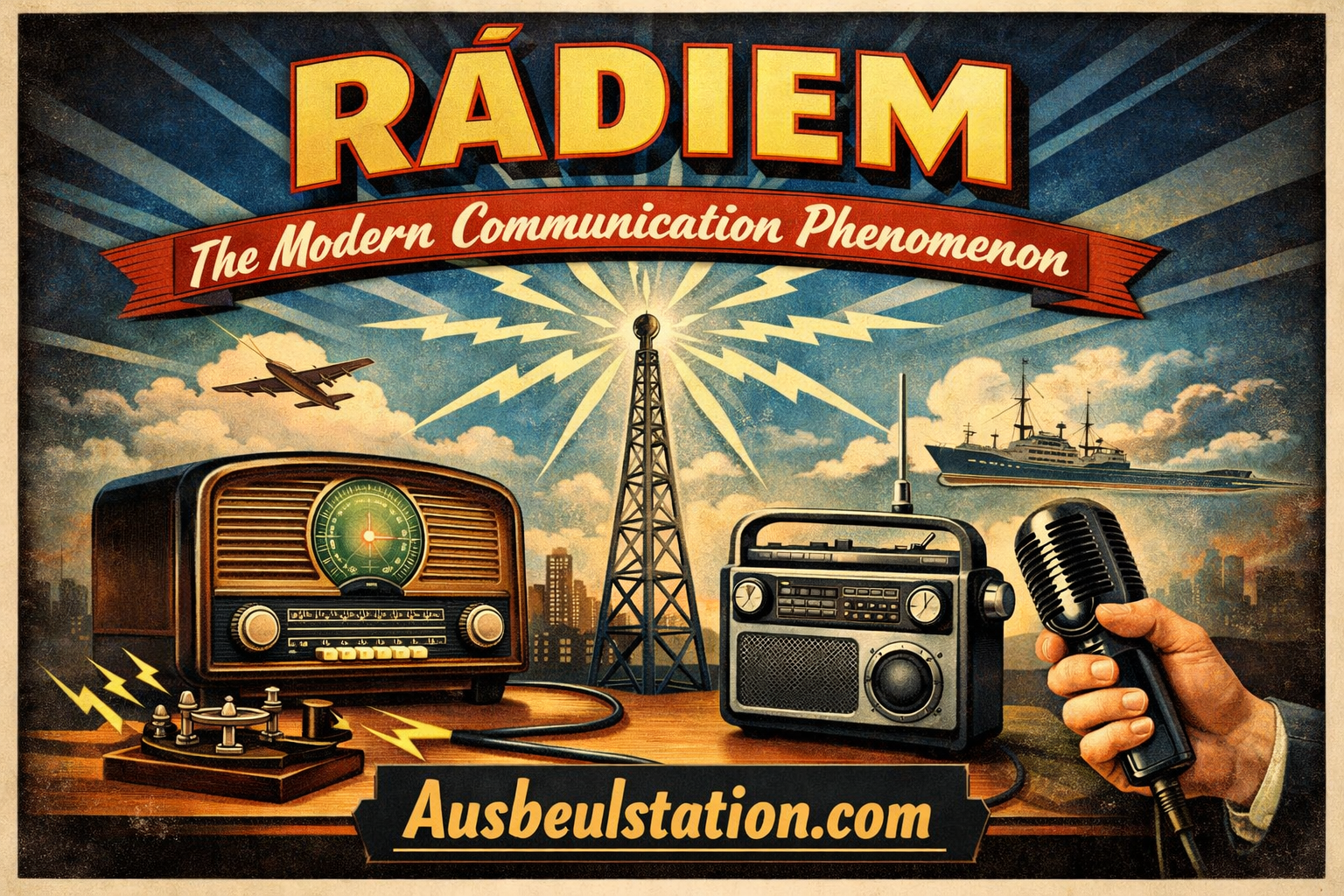
The origins of rádiem can be traced to the convergence of various communication technologies. It draws influence from radio broadcasting, live streaming, and instant messaging platforms. Historically, radio served as a foundational medium, connecting communities across vast distances, providing news, entertainment, and education. With the rise of the internet, digital platforms began to emulate the immediacy of radio while introducing interactive features. Rádiem represents the next step in this evolution—a platform or method that maintains the immediacy of traditional radio while integrating digital interactivity and networked communication.
The etymology of the term rádiem is also noteworthy. While it clearly evokes the idea of “radio,” it distinguishes itself with unique branding and functionality that emphasizes user-generated content, interactivity, and real-time engagement. Innovators in the technology and communication sectors recognized the potential for creating a hybrid medium that could deliver the immediacy of radio and the interactivity of social media, giving rise to the development of rádiem as a recognized concept and platform in contemporary media studies.
Core Features of Rádiem
What sets rádiem apart from other forms of communication is its combination of immediacy, interactivity, and adaptability. Users can broadcast content in real time, whether it is audio, video, or text-based, while simultaneously receiving responses and feedback from their audience. This two-way communication model creates a dynamic, participatory experience that contrasts sharply with passive consumption models prevalent in traditional media.
Another core feature is the integration of analytics and adaptive algorithms. Rádiem platforms can analyze audience engagement, preferences, and behavior, allowing content creators to tailor their messages in real time. This capability enhances both the relevance and impact of the communication. Additionally, rádiem often supports cross-platform connectivity, enabling users to share content across multiple digital channels without losing context or interactivity. In essence, it combines the best features of broadcasting, live streaming, and social networking into a singular ecosystem.
Applications of Rádiem in Daily Life
Rádiem has found applications in numerous domains, each illustrating its versatility and relevance in modern society. In education, rádiem allows teachers and students to interact in real time, bridging the gap between online and in-person learning experiences. Educators can deliver lectures, facilitate discussions, and receive immediate feedback, creating a more engaging and responsive learning environment.
In business, rádiem supports team collaboration, client interactions, and marketing strategies. Companies use rádiem for live presentations, customer engagement, and internal communications, making organizational processes more agile and responsive. The ability to communicate instantaneously with a broad audience while maintaining a personal touch has proven invaluable in modern corporate settings.
On a social level, rádiem fosters community building. Interest-based groups, hobbyists, and creators leverage rádiem to share experiences, host discussions, and cultivate networks of like-minded individuals. Unlike traditional social media, which often prioritizes curated content over engagement, rádiem emphasizes real-time interaction, fostering genuine connections and dialogue.
Technological Foundations of Rádiem
The success of rádiem is underpinned by a combination of cutting-edge technologies. At its core, it relies on robust streaming protocols that enable high-quality audio and video transmission with minimal latency. Advanced compression algorithms ensure that content can be transmitted efficiently, even in areas with limited bandwidth.
Artificial intelligence (AI) also plays a critical role in enhancing the user experience. AI-driven features such as real-time transcription, sentiment analysis, and personalized content recommendations help maintain engagement and improve communication efficiency. Furthermore, cloud computing ensures scalability, allowing rádiem platforms to accommodate thousands—or even millions—of simultaneous users without compromising performance. This technical sophistication has made rádiem not just feasible but highly effective in diverse real-world scenarios.
Societal Impacts of Rádiem
The rise of rádiem has broader societal implications, particularly in how communities access information and interact with one another. By enabling immediate feedback and participatory communication, rádiem challenges traditional hierarchies of information dissemination. It democratizes content creation, giving individuals the tools to broadcast their ideas and opinions to wide audiences.
Moreover, rádiem has implications for media literacy and critical thinking. In a landscape flooded with information, the ability to engage directly, question content, and interact with creators fosters a more informed and discerning public. However, this immediacy also poses challenges, such as the risk of misinformation spreading quickly. Understanding how to navigate these dynamics is critical for both users and regulators to ensure that rádiem contributes positively to society.
Challenges and Limitations
Despite its promise, rádiem is not without challenges. Technical barriers, such as inconsistent internet connectivity or platform-specific limitations, can affect user experience. Privacy concerns are also significant, particularly when real-time interactions involve sensitive data or personal information. Users must be aware of potential risks and adopt best practices to protect their privacy.
Additionally, the fast-paced nature of rádiem can create information overload. The constant stream of real-time content may overwhelm users, making it difficult to filter valuable insights from background noise. Developers and communicators must consider ways to optimize user interfaces and engagement models to balance interactivity with clarity and focus.
The Future of Rádiem
Looking ahead, the potential of rádiem appears immense. As technologies such as augmented reality (AR), virtual reality (VR), and the Internet of Things (IoT) continue to evolve, rádiem could become an even more immersive and integrated medium. Imagine virtual conferences, interactive classrooms, and social experiences where participants not only see and hear content in real time but also interact with it in three-dimensional spaces.
Moreover, as AI becomes more sophisticated, rádiem platforms could anticipate user needs, curate content dynamically, and enhance accessibility through features like automated translations and adaptive interfaces. These developments suggest that rádiem is not just a communication tool but a framework for a new era of digital interaction—one where immediacy, engagement, and inclusivity are central.
Read More: Obligation Linéaire: Its Meaning, Structure, and Importance in Finance
Conclusion
Rádiem represents a significant shift in the way humans communicate in the digital age. By merging the immediacy of traditional broadcasting with the interactivity of digital platforms, it offers a versatile, dynamic, and participatory mode of communication. From education to business to social networking, rádiem is reshaping the landscape of information exchange, fostering connections, and democratizing content creation.
While challenges such as privacy, information overload, and technological limitations exist, the continued evolution of rádiem promises a future where real-time, interactive communication is not just an option but a fundamental aspect of daily life. Understanding and engaging with rádiem today equips individuals, organizations, and communities to thrive in an increasingly connected and participatory world, making it a crucial phenomenon for the future of communication.