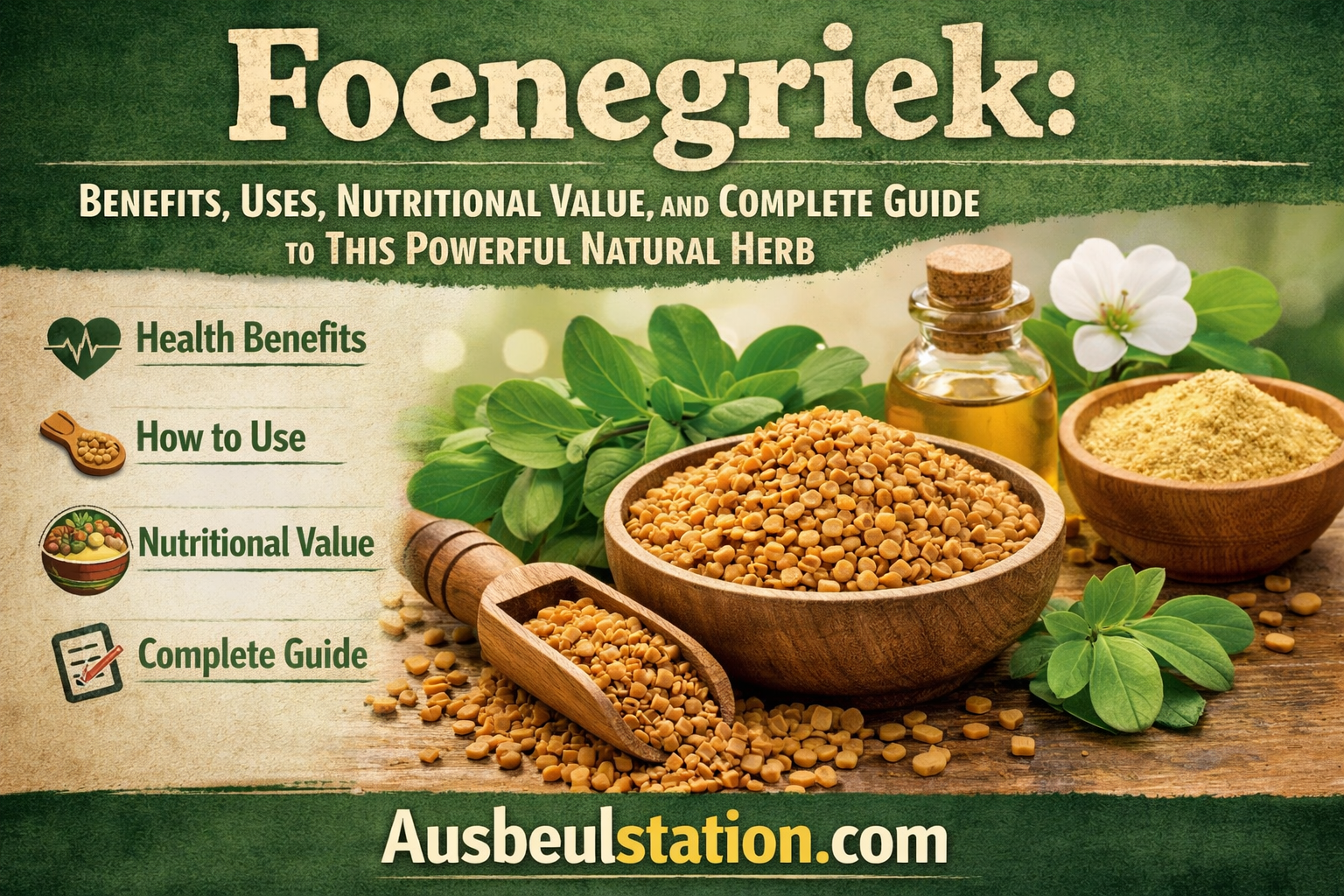
Foenegriek: Benefits, Uses, Nutritional Value, and Complete Guide to This Powerful Natural Herb
Foenegriekcommonly known as fenugreek, is one of the oldest medicinal and culinary plants used by human civilization. For thousands of years, this remarkable herb has played a significant role in traditional medicine, cooking traditions, and natural healing practices across Asia, the Middle East, Africa, and Europe. Today, foenegriek continues to gain global popularity because of its impressive health benefits, nutritional richness, and versatility in everyday life.
This comprehensive guide explores everything you need to know about foenegriek — from its origins and nutritional profile to its health advantages, culinary uses, scientific research, and practical ways to include it in your daily routine.
What Is Foenegriek?
Foenegriek is an annual herb scientifically known as Trigonella foenum-graecum. It belongs to the legume family and produces small golden-brown seeds that are widely used in cooking and natural medicine. The plant typically grows between 30 and 60 centimeters tall and features green leaves, white flowers, and aromatic seeds.
The name foenegriek comes from Dutch and European traditions, where the herb has long been valued both as a spice and as a healing plant. Historically, foenegriek was cultivated in ancient Egypt, Greece, India, and Rome. Archaeologists have even discovered fenugreek seeds in Egyptian tombs, showing its importance in early civilization.
Foenegriek is grown worldwide, particularly in India, Morocco, Egypt, and Mediterranean regions. Its seeds, leaves, powder, and extracts are used in herbal supplements, teas, oils, and traditional recipes.
Nutritional Profile of Foenegriek
One of the main reasons foenegriek is considered a super herb is its exceptional nutritional composition. The seeds contain a wide range of vitamins, minerals, antioxidants, and bioactive compounds that support overall health.
Foenegriek seeds are rich in dietary fiber, protein, iron, magnesium, potassium, and vitamin B6. They also contain plant compounds such as saponins, flavonoids, alkaloids, and galactomannan fiber, which contribute to many of its therapeutic properties.
A particularly important compound found in foenegriek is diosgenin, a natural phytochemical known for hormone-balancing effects. Additionally, the seeds contain soluble fiber that helps regulate digestion, blood sugar levels, and cholesterol.
Because of this powerful nutritional profile, foenegriek is often used in both preventive health care and natural wellness programs.
Historical and Traditional Uses of Foenegriek
Foenegriek has been deeply rooted in traditional healing systems for centuries. Ancient Egyptian physicians used it to support digestion and assist childbirth recovery. Greek and Roman healers valued foenegriek for its anti-inflammatory and strengthening effects.
In Ayurvedic medicine, foenegriek has been used to improve digestion, enhance vitality, and balance metabolism. Traditional Chinese medicine also incorporated the herb for kidney health and energy support.
Across cultures, foenegriek has been used for:
-
Supporting digestive health
-
Enhancing milk production in nursing mothers
-
Reducing inflammation
-
Improving appetite
-
Supporting respiratory health
These historical applications laid the foundation for modern scientific research into the herb’s benefits.
Health Benefits of Foenegriek
Supports Blood Sugar Control
One of the most researched benefits of foenegriek is its ability to help regulate blood glucose levels. The soluble fiber present in foenegriek slows carbohydrate digestion and absorption, preventing sudden spikes in blood sugar.
Several studies suggest that consuming foenegriek seeds or powder may improve insulin sensitivity and support people managing type 2 diabetes. The amino acid 4-hydroxyisoleucine found in the seeds appears to stimulate insulin production naturally.
Because of these properties, foenegriek is often recommended as part of a balanced diet for metabolic health.
Promotes Digestive Health
Foenegriek is widely known for improving digestion. Its fiber content helps maintain regular bowel movements, relieve constipation, and promote gut health.
The seeds form a gel-like texture when soaked in water, which soothes the digestive tract and may help reduce acid reflux and stomach irritation. Traditionally, foenegriek tea has been used to calm indigestion and bloating.
Regular consumption can support a healthier digestive system while encouraging beneficial gut bacteria growth.
Supports Hormonal Balance
Foenegriek is particularly popular for its potential hormonal benefits. The plant compounds present in the seeds may help regulate estrogen and testosterone levels naturally.
Women often use foenegriek supplements to relieve symptoms associated with menstrual discomfort or menopause. Nursing mothers sometimes consume foenegriek to support breast milk production, as the herb is considered a natural galactagogue.
Men may also benefit from foenegriek due to its potential role in supporting testosterone levels, energy, and physical performance.
Helps Reduce Cholesterol Levels
Heart health is another area where foenegriek shows promising benefits. The soluble fiber and saponins in foenegriek seeds help reduce the absorption of cholesterol in the digestive system.
Research suggests that regular intake may lower LDL (bad cholesterol) while supporting healthy HDL (good cholesterol) levels. This contributes to improved cardiovascular health and reduced risk factors for heart disease.
Anti-Inflammatory and Antioxidant Properties
Foenegriek contains powerful antioxidants that help combat oxidative stress in the body. Chronic inflammation is linked to many modern diseases, including heart disease, arthritis, and metabolic disorders.
The flavonoids and polyphenols present in foenegriek may help reduce inflammation, support immune function, and protect cells from damage caused by free radicals.
These protective effects make foenegriek a valuable addition to a long-term wellness lifestyle.
Culinary Uses of Foenegriek
Beyond its medicinal value, foenegriek is widely used in cooking. Its seeds have a slightly bitter, nutty flavor with hints of maple syrup when cooked.
Foenegriek is commonly used in:
-
Indian curries and spice blends
-
Middle Eastern stews
-
Ethiopian spice mixes
-
Herbal teas
-
Pickles and sauces
The fresh leaves, often called “methi,” are also used as vegetables in many dishes. They add a distinctive aroma and depth of flavor.
To reduce bitterness, cooks often roast or soak the seeds before use. Foenegriek powder can also be added to smoothies, soups, or bread recipes for nutritional enhancement.
Forms of Foenegriek Available Today
Modern consumers can find foenegriek in multiple forms depending on their needs and preferences.
Whole Seeds
Whole seeds are the most traditional form. They can be soaked overnight and consumed directly or used in cooking.
Powder
Ground foenegriek powder is convenient for adding to food, drinks, or herbal mixtures.
Capsules and Supplements
Many people prefer standardized supplements for consistent dosage and convenience.
Tea and Extracts
Foenegriek tea is popular for digestive support and relaxation. Liquid extracts provide concentrated herbal benefits.
Each form offers unique advantages, allowing individuals to choose based on lifestyle and health goals.
How to Use Foenegriek Safely
Although foenegriek is natural, proper usage is important. Most people tolerate it well when consumed in moderate amounts.
General guidelines include:
-
Start with small quantities to assess tolerance
-
Soak seeds before eating to improve digestion
-
Drink adequate water due to high fiber content
-
Consult a healthcare professional if pregnant or taking medication
Some individuals may experience mild digestive discomfort or a maple-like body odor, which is harmless but noticeable.
Responsible consumption ensures maximum benefits while minimizing potential side effects.
Scientific Research and Modern Interest in Foenegriek
Modern science continues to explore the traditional claims associated with foenegriek. Researchers have investigated its effects on blood sugar regulation, cholesterol reduction, athletic performance, and hormonal health.
Clinical studies suggest that bioactive compounds found in foenegriek influence metabolism, insulin response, and inflammation pathways. As a result, the herb is increasingly incorporated into functional foods, nutraceuticals, and wellness supplements worldwide.
The growing interest reflects a broader movement toward plant-based health solutions supported by scientific validation.
Foenegriek in Beauty and Skincare
Foenegriek is not only beneficial internally but also valued in natural beauty practices. The seeds contain antioxidants and anti-inflammatory compounds that support skin and hair health.
Traditional remedies include foenegriek paste or oil for:
-
Strengthening hair roots
-
Reducing dandruff
-
Improving scalp health
-
Enhancing skin hydration
-
Supporting acne-prone skin
Its nourishing properties make foenegriek a popular ingredient in herbal cosmetics and DIY beauty treatments.
Growing Foenegriek at Home
Another advantage of foenegriek is how easy it is to grow. The plant thrives in warm climates and requires minimal maintenance.
To grow foenegriek:
-
Plant seeds in well-drained soil.
-
Ensure sunlight exposure.
-
Water moderately.
-
Harvest leaves within a few weeks.
-
Collect seeds after full maturity.
Many home gardeners cultivate foenegriek for fresh leaves and organic seeds, making it a sustainable addition to household gardens.
Cultural Significance of Foenegriek
Foenegriek holds cultural importance in many societies. In South Asian households, it symbolizes nourishment and healing. In Mediterranean traditions, it represents strength and vitality.
The herb enduring presence across cultures demonstrates how natural remedies transcend geography and time. Foenegriek bridges culinary heritage, traditional wisdom, and modern health science.
Read More: Skinpres T: Uses, Benefits, Ingredients, and Complete Guide to Modern Skin Treatment
Conclusion
Foenegriek stands out as one of nature most versatile and powerful herbs. From ancient civilizations to modern wellness trends, it has maintained a reputation for promoting health, supporting digestion, balancing hormones, and enriching culinary traditions.
Its impressive nutritional profile, scientifically supported benefits, and wide range of uses make foenegriek more than just a spice — it is a holistic wellness ingredient. Whether consumed as seeds, powder, tea, or supplement, foenegriek offers a natural approach to improving overall well-being.
As interest in natural health continues to grow, foenegriek remains a timeless example of how traditional herbal knowledge and modern science can work together to support healthier lifestyles. By incorporating foenegriek into daily routines thoughtfully and responsibly, individuals can experience the enduring benefits of this remarkable herb.