Delta Flight DL275 Diverted LAX: What Happened and Why It Matters
Air travel is often celebrated for its efficiency, convenience, and ability to connect people across continents in mere hours. Yet, despite technological advancements and rigorous safety protocols, unexpected events such as flight diversions can occur, disrupting schedules and causing concern for passengers. One recent example that has captured attention in the aviation community is Delta Flight DL275 diverted LAX. This incident not only highlights the complexities of airline operations but also underscores the challenges faced by both passengers and airlines in ensuring safety, efficiency, and customer satisfaction.
The Incident: Delta Flight DL275 Diverted LAX
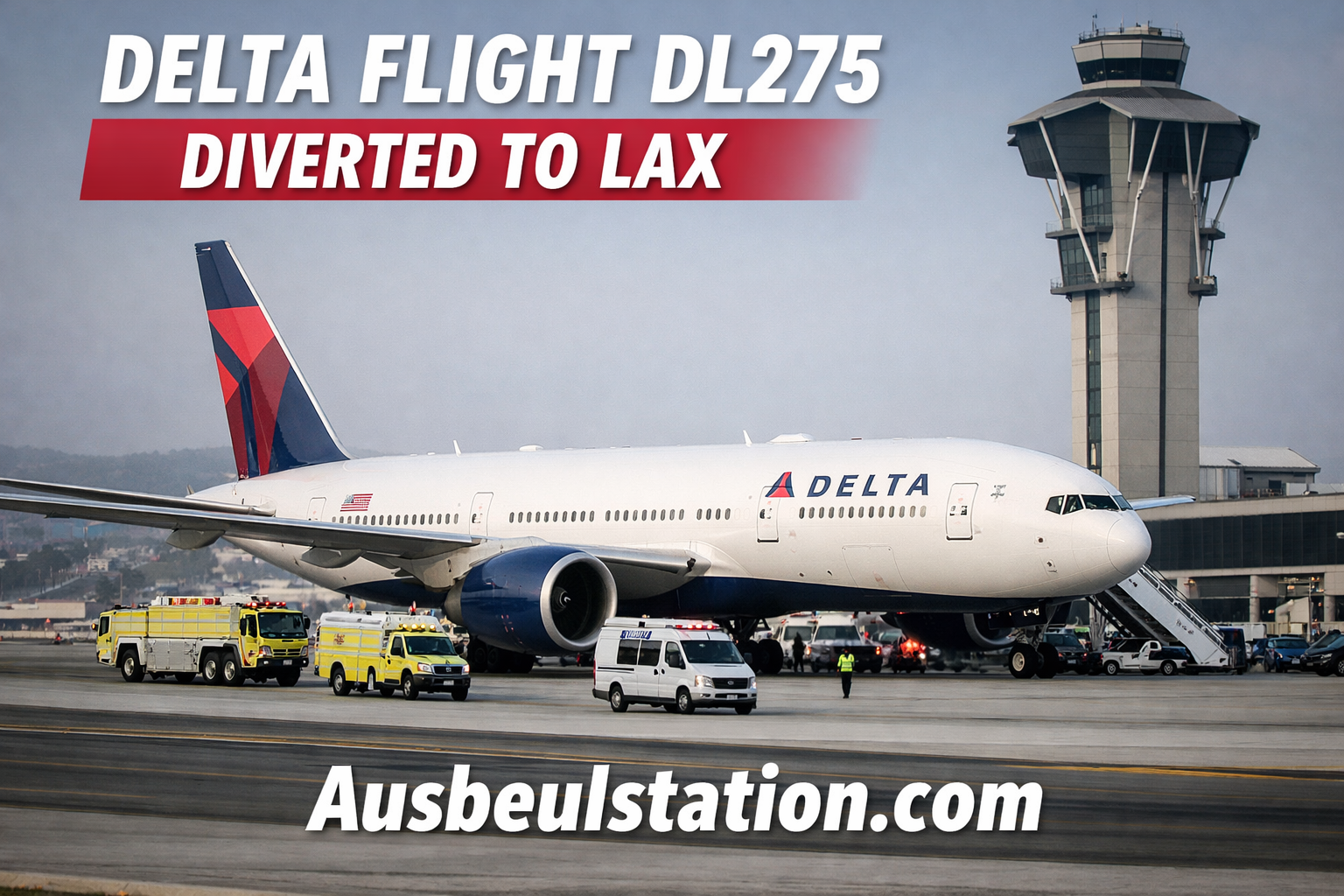
On a seemingly routine day, Delta Flight DL275, which was scheduled to operate between Seattle-Tacoma International Airport (SEA) and Los Angeles International Airport (LAX), experienced an unexpected course alteration resulting in its diversion. While specific details from Delta Airlines regarding the exact reason for the diversion were initially limited, preliminary reports suggested that the flight encountered either a mechanical issue or adverse weather conditions near the Southern California airspace. Diversions of this nature, although relatively rare, are taken very seriously within the aviation industry, as they are initiated primarily to prioritize passenger safety.
Passengers aboard DL275 reported a mixture of reactions, ranging from mild inconvenience to heightened anxiety, as announcements indicated that the plane would not land at its intended destination, LAX. Airports like LAX, which rank among the busiest in the United States, routinely handle diversions; however, each diverted flight requires meticulous coordination among air traffic control, ground staff, and airline operations teams to manage gate availability, passenger logistics, and operational timelines.
Understanding Flight Diversions: Safety First
Aviation experts emphasize that the decision to divert a flight is never made lightly. A diversion can occur due to a variety of reasons, including technical malfunctions, medical emergencies, extreme weather, or air traffic congestion. In the case of Delta Flight DL275 diverted LAX, safety considerations were undoubtedly paramount. Pilots and airline dispatchers are trained to evaluate multiple factors in real-time, including fuel levels, alternative airports, and prevailing weather conditions, before making a diversion decision.
Mechanically, aircraft are designed with numerous redundancies, but even minor technical anomalies can prompt a precautionary diversion. For example, if a warning indicator suggests a potential issue with the landing gear, hydraulics, or engine performance, pilots may elect to divert to an airport with optimal emergency services and runway availability. Similarly, sudden changes in weather, such as strong crosswinds, thunderstorms, or reduced visibility, can make landing at the originally intended airport unsafe. In these scenarios, a diversion is not a reflection of poor planning but rather a testament to the airline’s commitment to passenger safety.
Passenger Experience During Diversions
For passengers aboard Delta Flight DL275 diverted LAX, the experience can be both stressful and confusing. Typically, airlines communicate the situation through in-flight announcements and flight attendants, who provide guidance and reassurance. Passengers may be asked to remain seated until the aircraft safely reaches an alternate airport. Upon landing, logistical challenges emerge, including arranging ground transportation, coordinating connecting flights, and managing personal schedules disrupted by the delay.
Delta Airlines, known for its customer service initiatives, often provides affected passengers with accommodations, meal vouchers, and rebooking options when diversions result in significant delays. Nevertheless, passengers are encouraged to maintain flexibility, keep travel documents accessible, and stay informed via the airline’s mobile apps and customer service channels during such events. Diversions, though inconvenient, are a proactive measure that reflects the airline’s commitment to safety above all else.
The Role of Air Traffic Control and Airport Coordination
The successful handling of a diverted flight requires seamless coordination between pilots, airline operations, and air traffic control (ATC). When DL275 was diverted from LAX, ATC played a crucial role in guiding the flight to an alternate landing site, providing real-time updates on airspace congestion, weather conditions, and runway availability. Airport authorities, in turn, manage the logistics of accommodating an unscheduled aircraft, including gate assignment, ground handling, and refueling operations.
Airports near LAX, such as John Wayne Airport (SNA) or Long Beach Airport (LGB), often serve as alternative landing destinations for flights unable to reach their intended arrival airport. The selection of a diversion airport takes into account factors such as runway length, proximity to the original destination, and the availability of emergency response services. Once the aircraft lands safely, operational teams work quickly to ensure that passengers can continue their journey with minimal additional delays.
Implications for Delta Airlines and Travelers
Flight diversions like Delta Flight DL275 diverted LAX have broader implications for both airlines and travelers. From an operational standpoint, diversions can disrupt flight schedules, affect crew rotations, and increase operational costs. Airlines must quickly assess how to accommodate passengers, reposition aircraft, and communicate effectively with all stakeholders. Transparent communication and proactive customer service are critical to maintaining passenger trust during such events.
For travelers, a diversion can serve as a reminder of the unpredictable nature of air travel. While the inconvenience may be frustrating, understanding the underlying safety rationale helps passengers appreciate the proactive measures taken by airlines. Travel insurance and flexible ticketing options can further mitigate the impact of diversions, offering travelers peace of mind when unexpected changes occur.
The Bigger Picture: Aviation Safety and Reliability
While the diversion of Delta Flight DL275 diverted LAX may appear as an isolated incident, it is part of a larger framework of aviation safety and operational reliability. Airlines invest heavily in pilot training, aircraft maintenance, and safety protocols to minimize the risk of in-flight issues. The Federal Aviation Administration (FAA) and other regulatory bodies enforce strict standards to ensure that diversions, when necessary, are executed safely and efficiently.
Passengers, too, play a role in aviation safety by following in-flight instructions, preparing for contingencies, and staying informed about travel advisories. Understanding the factors that lead to diversions can reduce anxiety and help travelers respond calmly when their flight path is altered.
Read More: Florida Woman Wins Monopoly Lottery: A Life-Changing Stroke of Luck
Conclusion
The incident involving Delta Flight DL275 diverted LAX serves as a vivid example of how airlines prioritize safety, even when it comes at the cost of convenience. Flight diversions, while disruptive, are a critical component of a robust safety culture in aviation. Passengers, airline personnel, and regulatory authorities work together to ensure that such incidents are handled with efficiency, care, and transparency.
For travelers, incidents like these underscore the importance of preparedness and flexibility. While a diverted flight can temporarily disrupt plans, it ultimately reflects an airline’s commitment to safeguarding lives and maintaining operational integrity. As air travel continues to evolve with advanced technology and improved infrastructure, the lessons learned from diversions like DL275 will help shape safer, more resilient skies for everyone.