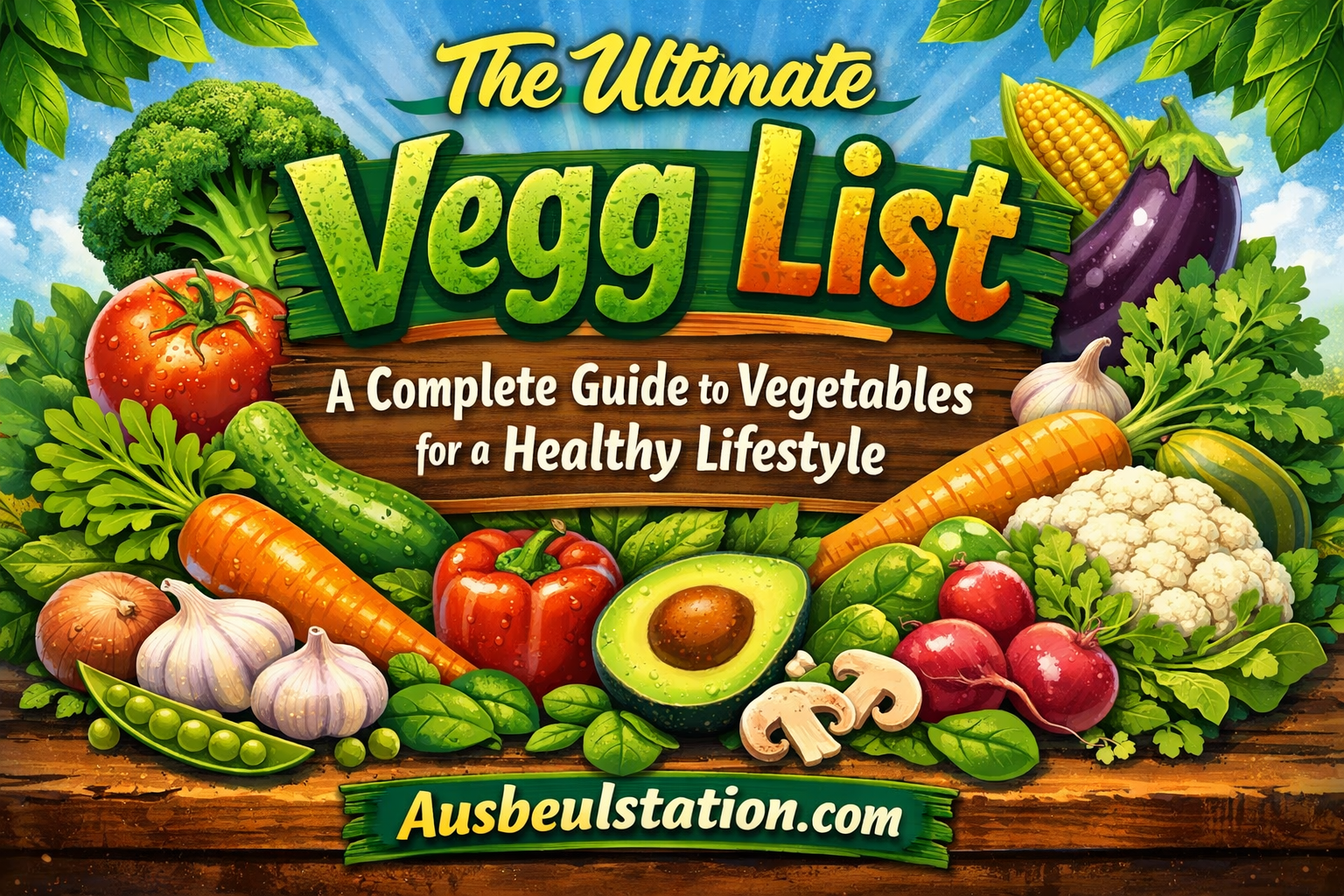
The Ultimate Vegg List: A Complete Guide to Vegetables for a Healthy Lifestyle
Vegetables are one of the most essential components of a balanced diet, yet many people struggle to understand their variety, benefits, and uses. A well-organized vegg list can help individuals make better food choices, improve nutrition, and diversify meals. Whether you are a health enthusiast, a home cook, or simply someone trying to eat better, understanding a comprehensive vegg list is a powerful step toward a healthier lifestyle.
What Is a Vegg List?
A vegg list is essentially a categorized collection of vegetables that helps people identify, organize, and utilize different types of vegetables in their diet. It can include everything from leafy greens and root vegetables to legumes and gourds. This list is not only useful for meal planning but also helps individuals understand nutritional diversity.
A vegg list can be simple or highly detailed, depending on its purpose. For example, a basic list may include common vegetables like carrots, potatoes, and spinach, while a more advanced one may classify vegetables based on color, nutrients, or culinary uses.
Having a vegg list allows you to plan meals efficiently, ensure nutritional balance, and explore new foods you may not have tried before.
Importance of Maintaining a Vegg List
Creating and maintaining a vegg list is more important than it may seem at first glance. In today’s fast-paced world, people often rely on processed foods, overlooking the importance of fresh vegetables.
A vegg list helps you:
- Track your daily vegetable intake
- Maintain variety in your meals
- Ensure balanced nutrition
- Reduce dependency on unhealthy foods
- Save time during grocery shopping
It also encourages mindful eating habits. When you consciously choose vegetables from a list, you are more likely to stick to a healthy routine.
Categories in a Vegg List
A well-structured vegg list is usually divided into categories based on the type of vegetable. Understanding these categories makes it easier to plan meals and balance nutrients.
Leafy Green Vegetables
Leafy greens are among the most nutritious vegetables and should be a major part of any vegg list. They are rich in vitamins, minerals, and antioxidants.
Common leafy greens include:
- Spinach
- Lettuce
- Kale
- Fenugreek leaves (methi)
- Mustard greens
These vegetables are excellent for improving digestion, boosting immunity, and maintaining healthy skin. They are also low in calories, making them ideal for weight management.
Root Vegetables
Root vegetables grow underground and are known for their rich carbohydrate content and earthy flavors.
Examples include:
- Carrots
- Potatoes
- Radishes
- Turnips
- Beets
These vegetables provide energy and are rich in fiber. Carrots, for instance, are high in vitamin A, which supports eye health.
Cruciferous Vegetables
Cruciferous vegetables are known for their cancer-fighting properties and high nutritional value.
Popular choices in this category are:
- Broccoli
- Cauliflower
- Cabbage
- Brussels sprouts
These vegetables contain compounds that help detoxify the body and reduce inflammation.
Legumes
Legumes are technically seeds but are often included in a vegg list due to their plant-based benefits.
Common legumes include:
- Peas
- Lentils
- Chickpeas
- Beans
They are an excellent source of protein, especially for vegetarians and vegans. Legumes also help in maintaining stable blood sugar levels.
Gourds and Squash
Gourds are widely used in South Asian cuisine and are an important part of a vegg list.
Examples include:
- Bottle gourd (lauki)
- Bitter gourd (karela)
- Ridge gourd
- Pumpkin
These vegetables are known for their high water content and digestive benefits.
Allium Vegetables
Allium vegetables are known for their strong flavors and health benefits.
Common types include:
- Onions
- Garlic
- Leeks
- Shallots
They have antibacterial properties and help improve heart health.
Nutritional Benefits of a Vegg List
Including a variety of vegetables from a vegg list ensures that your body gets all essential nutrients.
Vegetables provide:
- Vitamins: Such as vitamin A, C, and K
- Minerals: Including iron, calcium, and potassium
- Fiber: Important for digestion
- Antioxidants: Help fight diseases
A diverse vegg list ensures that you do not miss out on any key nutrients. Different vegetables provide different health benefits, so variety is crucial.
How to Create Your Own Vegg List
Creating a personalized vegg list is simple and highly beneficial. Start by identifying vegetables you already consume and then expand your list by exploring new options.
Steps to create a vegg list:
- List your favorite vegetables
- Add seasonal vegetables
- Include different categories
- Note nutritional benefits
- Organize by usage (salads, cooking, snacks)
You can also divide your vegg list into daily, weekly, and occasional consumption categories to make meal planning easier.
Seasonal Vegg List
Seasonal vegetables are fresher, more nutritious, and often more affordable. Including seasonal produce in your vegg list is a smart choice.
Winter Vegetables
- Carrots
- Spinach
- Peas
- Cauliflower
Summer Vegetables
- Cucumbers
- Bottle gourd
- Bitter gourd
- Okra
Monsoon Vegetables
- Pumpkin
- Beans
- Ridge gourd
Eating seasonal vegetables not only enhances flavor but also supports local agriculture.
Vegg List for Weight Loss
A vegg list can be tailored specifically for weight loss by focusing on low-calorie, high-fiber vegetables.
Best vegetables for weight loss include:
- Spinach
- Broccoli
- Cucumber
- Zucchini
- Bell peppers
These vegetables help you feel full for longer periods and reduce overall calorie intake.
Vegg List for Muscle Building
For those looking to build muscle, a vegg list should include vegetables rich in protein and essential nutrients.
Recommended vegetables:
- Peas
- Lentils
- Spinach
- Sweet potatoes
These foods provide energy and support muscle recovery.
Common Mistakes When Using a Vegg List
While a vegg list is helpful, some people make mistakes that reduce its effectiveness.
Common mistakes include:
- Eating the same vegetables repeatedly
- Ignoring seasonal produce
- Overcooking vegetables
- Not balancing categories
To get the most out of your vegg list, focus on variety and proper cooking methods.
Tips for Using a Vegg List in Daily Life
Incorporating a vegg list into your daily routine doesn’t have to be complicated. With a few simple habits, you can make vegetables a natural part of your lifestyle.
Practical tips:
- Add vegetables to every meal
- Keep a weekly vegg list for shopping
- Experiment with new recipes
- Use raw vegetables as snacks
- Prepare vegetables in advance
Consistency is key. Over time, using a vegg list becomes second nature.
Read More: Plangud: Its Meaning, Uses, and Growing Relevance
Conclusion
A well-organized vegg list is more than just a collection of vegetables—it is a powerful tool for improving your health, simplifying meal planning, and encouraging better eating habits. By understanding different categories, incorporating seasonal produce, and focusing on variety, you can transform your diet and lifestyle.
Whether your goal is weight loss, muscle building, or simply maintaining good health, a vegg list provides a structured approach to achieving it. Start building your own vegg list today, and take a step toward a healthier, more balanced life.